
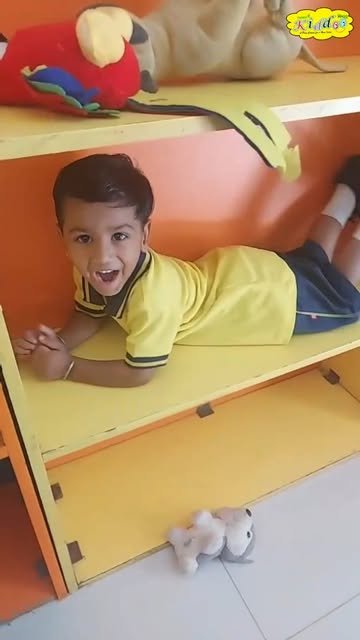
Excitement, hesitation, tears and curiosity can all appear together when preschool begins. The goal is not to prevent every tear. It is to help your child learn: “My grown-up leaves, I am cared for, and my grown-up comes back.”
Two weeks before: make school familiar
Talk about school in simple, honest language: “You will play, hear stories, meet your teacher and I will come back after school.” Look at school photos, walk past the building if practical and read stories about starting school. Avoid describing school as a punishment or making promises about exactly how the child will feel.
One week before: practise the routine
- Move bedtime and wake-up gradually toward the school schedule.
- Practise dressing, carrying a small bag and opening a lunch box or bottle.
- Use short separations with a familiar caregiver.
- Create a repeatable morning sequence: wake, wash, dress, eat and leave.
The night before
Pack together without turning it into a big test. Label belongings, choose comfortable clothes and keep bedtime ordinary. Tell your child who will take them and who will pick them up. Children feel safer when the plan is concrete.
At the classroom door
Use a warm, short goodbye. A simple line works: “I love you. Your teacher will take care of you. I will come back after school.” Do not disappear without saying goodbye, and avoid repeatedly returning after you have left. If the school has a settling-in process, follow it consistently.
After school
Instead of asking many questions immediately, reconnect first—offer water, a snack and quiet time. Later try specific prompts: “What did you play with?” or “Did you hear a story?” Some children need days before they describe school. Praise effort: “You went inside even when it felt new.”
If tears continue
Adjustment has no single timetable. Keep drop-off consistent and communicate with the teacher about sleep, appetite or changes at home. Ask what happens after you leave; many children settle once the day begins. If distress remains intense or affects daily life for an extended period, discuss the pattern with the school and your child’s healthcare professional.
Read our readiness checklist and visit the parent admissions page for more starting-school answers.
Quick parent FAQs
Should I stay in the classroom?
Follow the school’s settling policy. A planned, gradually reduced presence can help, while unplanned lingering may make separation less predictable.
What if my child says they do not want to go?
Acknowledge the feeling, keep the routine steady and remind them what will happen next without arguing or making threats.
Can a comfort object help?
Sometimes. Ask the school whether a small familiar item or family photo is allowed during the settling period.