Children develop at different speeds, so use this checklist as a conversation guide—not a scorecard. A child may be confident in language and still need help separating, or socially eager and still learning self-care.
Communication
- Uses words, sounds, gestures or expressions to communicate basic needs.
- Understands familiar one-step directions most of the time.
- Shows interest in stories, songs or conversations.
- Can get an adult’s attention when help is needed.
Social and emotional comfort
- Can spend a short period with another trusted caregiver.
- Begins to play beside or with other children.
- Can wait briefly with adult support.
- Recovers from small frustrations with comfort and time.
Everyday independence
Helpful skills include trying to wash hands, eat a snack, carry a small bag and take part in dressing. Perfection is not expected. Ask the school about toilet support and clothing recommendations rather than assuming your child must manage everything alone.
Curiosity and movement
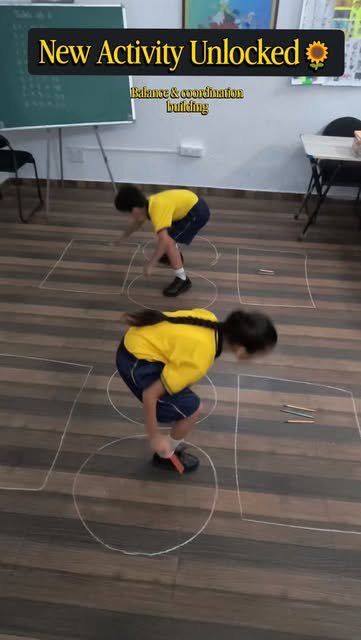
Readiness often looks like exploring materials, copying actions, moving safely in a familiar space and staying with a preferred activity for a few minutes. Long sitting and worksheet completion are not reliable measures of early learning readiness.
Build readiness through ordinary days
- Give one small responsibility, such as putting a bottle in the bag.
- Read together and let your child turn pages or predict what happens next.
- Practise taking turns during a simple game.
- Name emotions: “You feel disappointed. Let us try again.”
- Keep sleep, meals and morning routines reasonably predictable.
When to talk to the school
Share what comforts your child, how they communicate and any support they use. A good preschool plans with the family instead of expecting every child to arrive in exactly the same place. If you have developmental concerns, speak with an appropriate healthcare professional; a website checklist cannot assess a child.
Compare our age-aware programs or read the preschool age guide.
Quick parent FAQs
Must my child be toilet trained?
Policies differ. Ask the school directly about toilet support, reminders and spare-clothing requirements.
What if my child is shy?
Shyness does not mean a child is not ready. Share useful settling strategies and allow gradual participation.
Does readiness mean academic readiness?
No. Communication, emotional security, routines, curiosity and independence are equally important foundations.